Food Security & Agricultural Support Field Visit
Community Food Security & Livelihoods Initiative
Background & Context
Karamoja remains one of Uganda's most food-insecure regions. Napak District, situated in the heart of Karamoja, is characterized by harsh semi-arid conditions, erratic rainfall, and chronic food shortages that leave communities, particularly children, vulnerable to malnutrition.
Despite these challenges, communities in Napak demonstrate remarkable resilience. During the 2025 long rains season, households had planted maize and cabbages using available low-quality seed stock.
Asili Caring Hand conducted a Food Security and Agricultural Support Field Visit on 12th August 2025 to assess garden progress, distribute improved seeds, and cook meals for children as an immediate nutrition intervention.
Key Objectives
- •To conduct a field assessment of community maize and vegetable gardens in Napak District, documenting crop health and agricultural support needs.
- •To distribute improved seeds to community members to support food production and improve household food security.
- •To provide cooked food to children and community members in Napak as an immediate nutritional support intervention.
- •To engage directly with community households to inform future livelihoods programming.
Rationale & Justification
In Karamoja, food insecurity is a persistent structural challenge. Many households run out of food before the harvest, making immediate food provision alongside agricultural input distribution vital.
Improved seeds directly solve the input bottleneck by replacing low-yielding recycled local varieties.
Combining seed distribution with direct food provision addresses both short-term emergency nutrition and long-term food independence.
Activity Description & Field Execution
On 12th August 2025, the Asili Caring Hand team travelled through grasslands and farmland in Napak District, accompanied by community members.
Field Assessment of Community Gardens
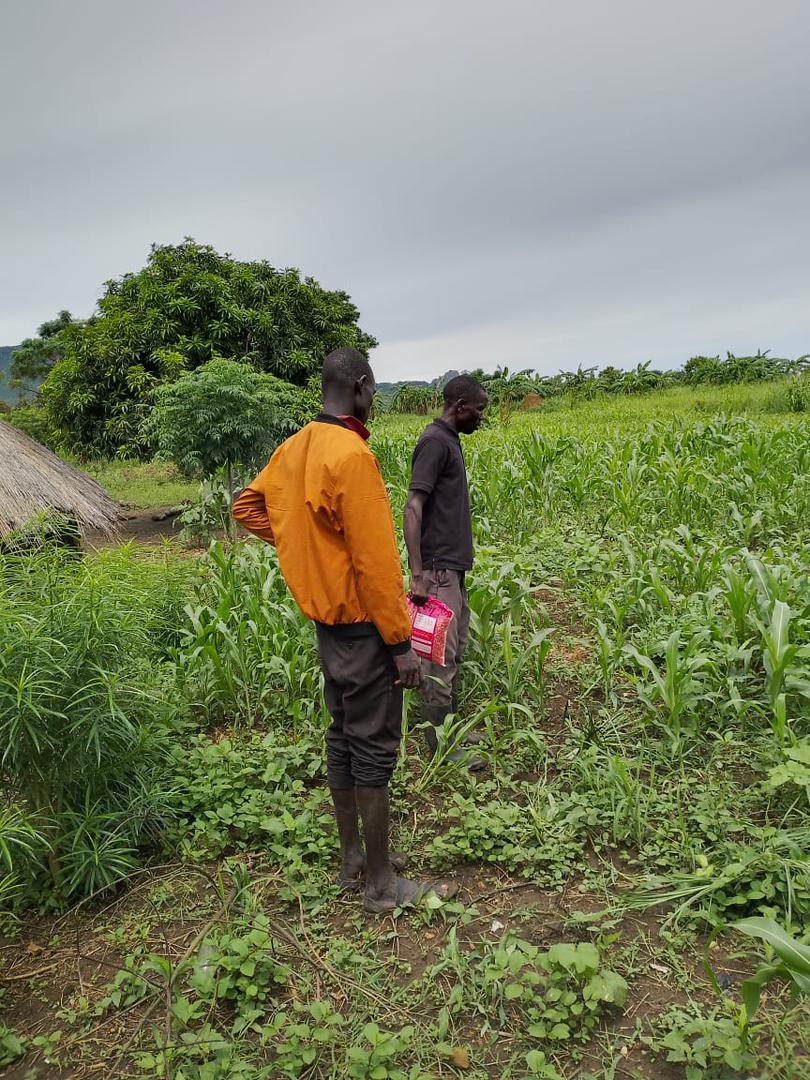
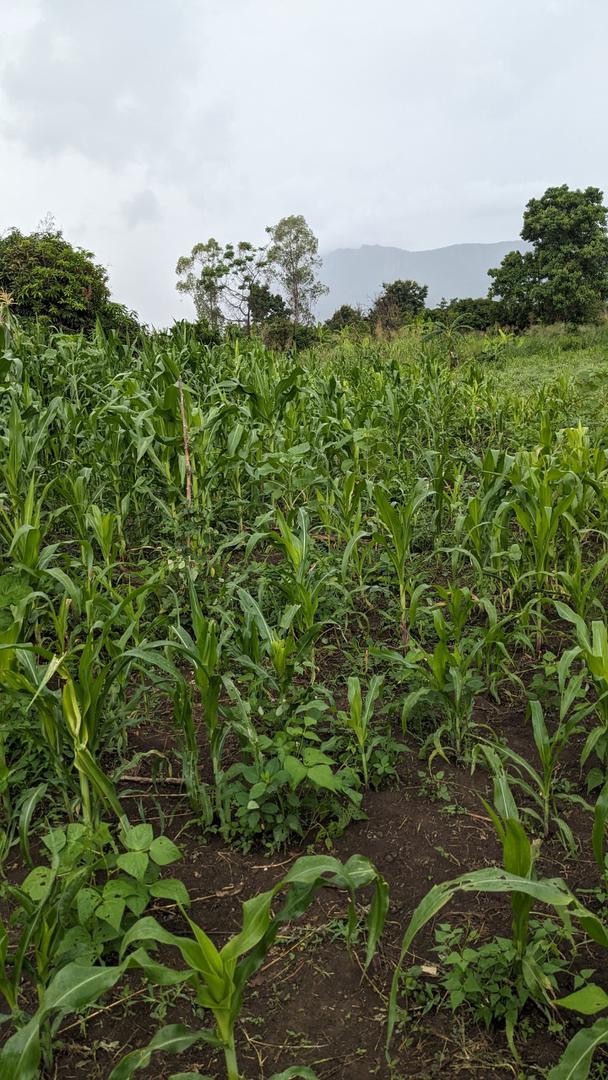
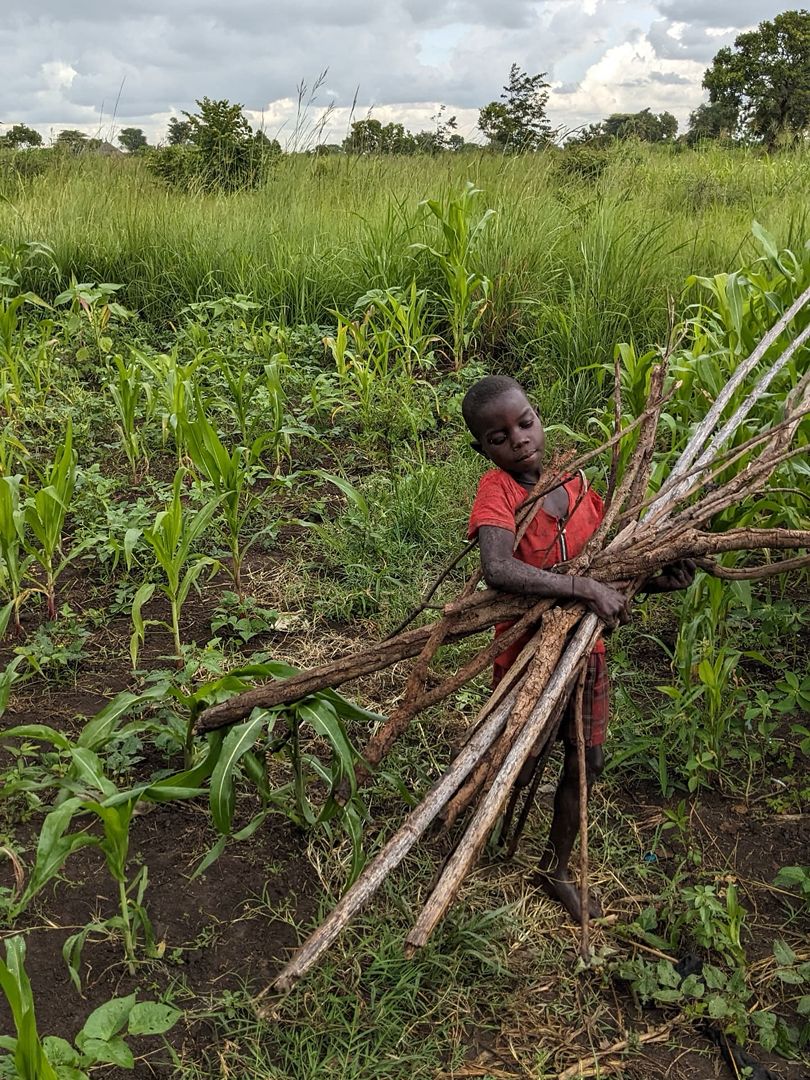
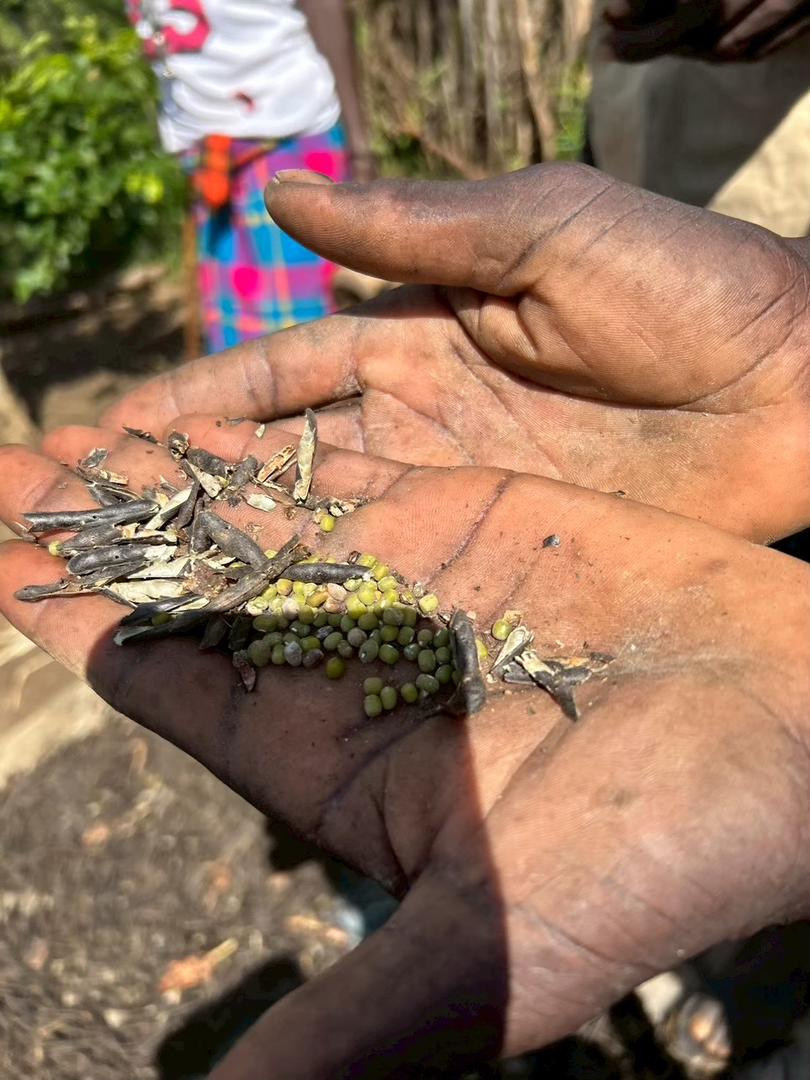
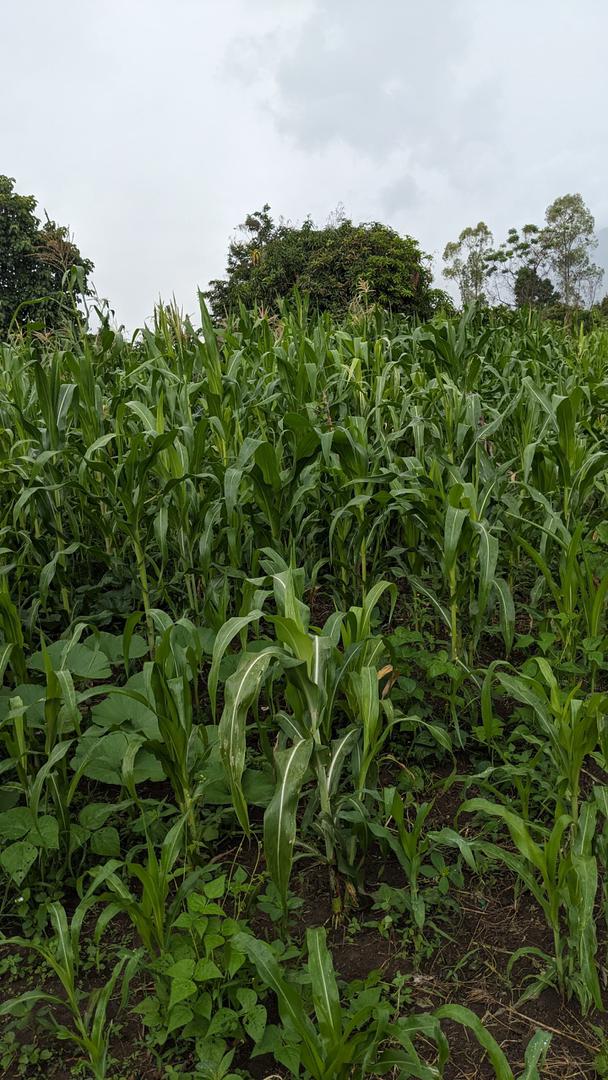
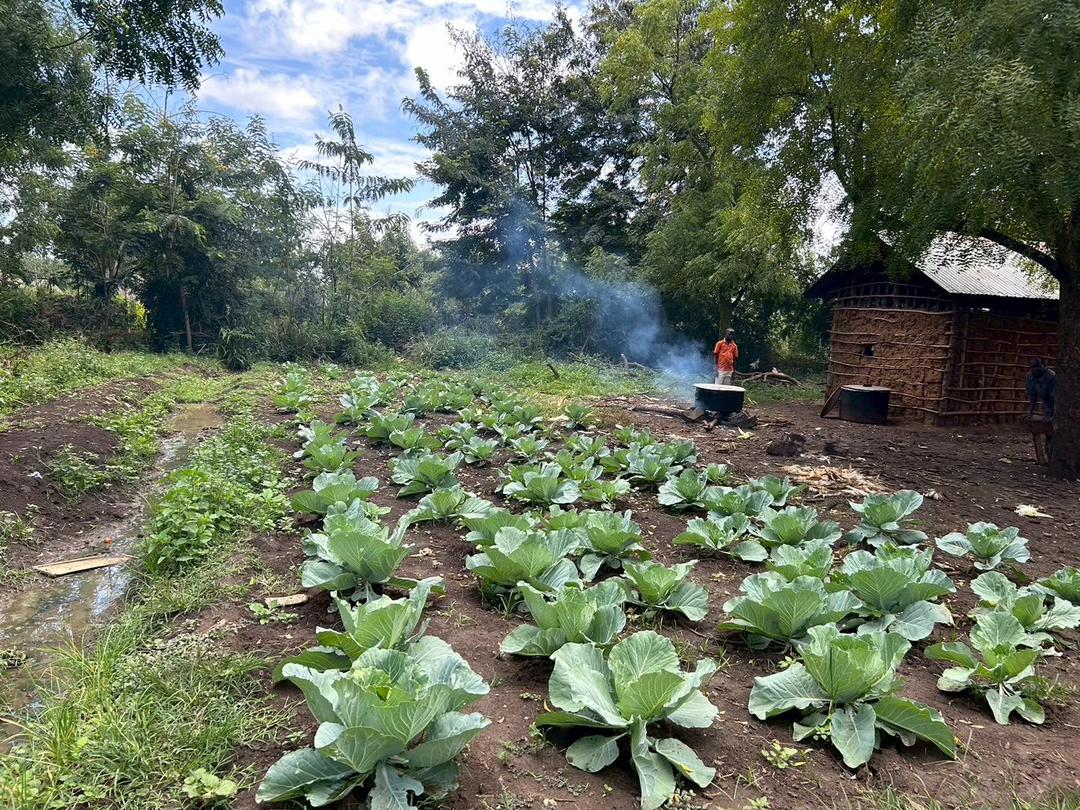
The team inspected maize fields at various growth stages (seedlings to tasselling stage) and intercropped kitchen gardens with cabbages, beans, and cowpeas. Farmers demonstrated local saved seeds, highlighting the urgent need for quality inputs.
Seed Distribution
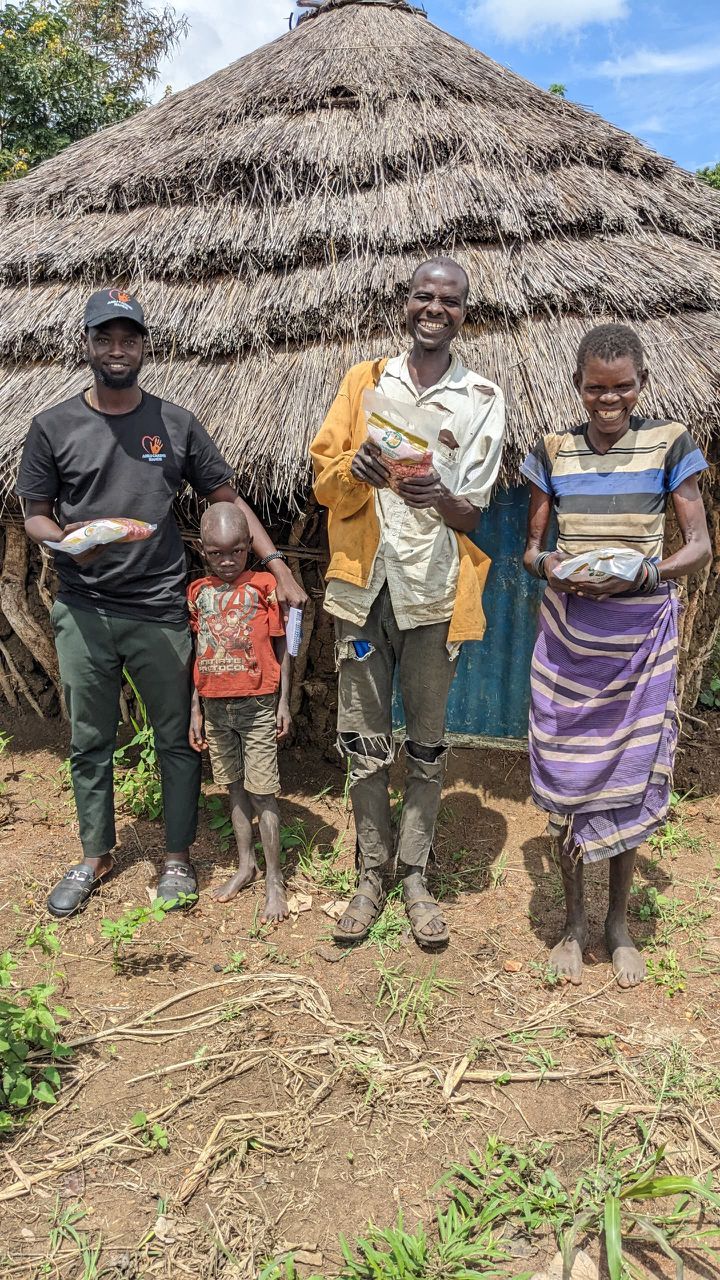
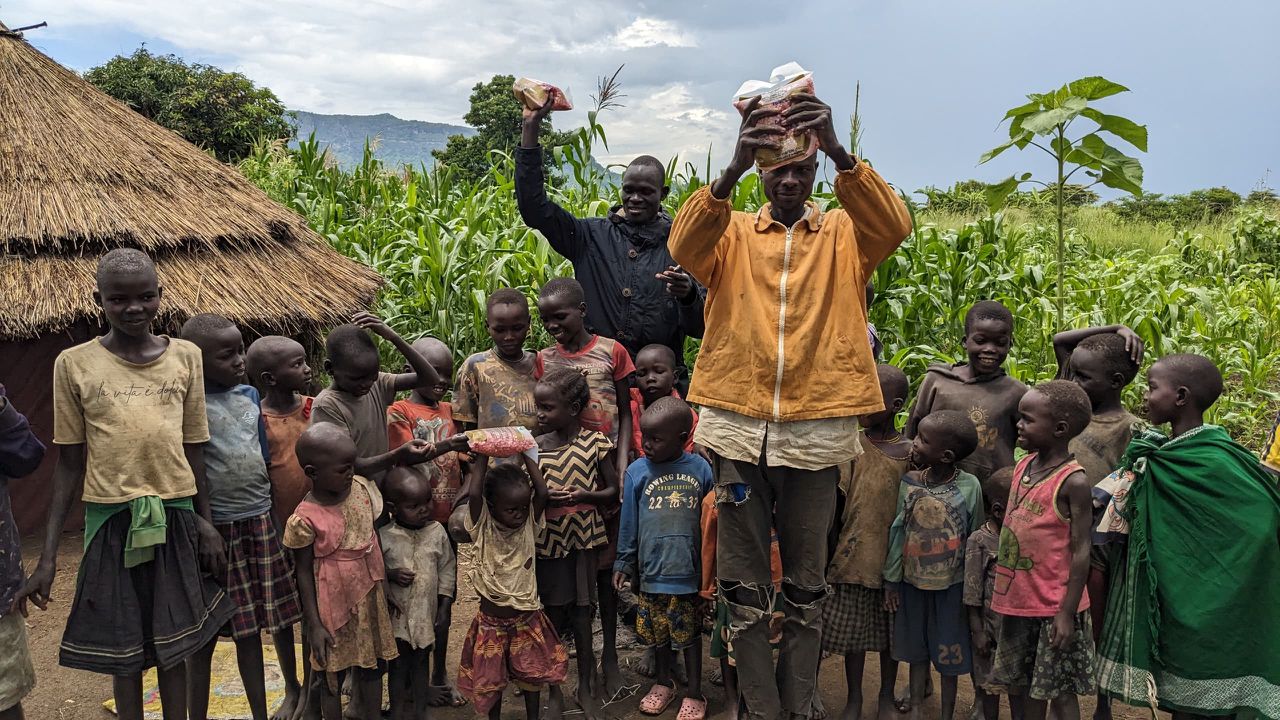
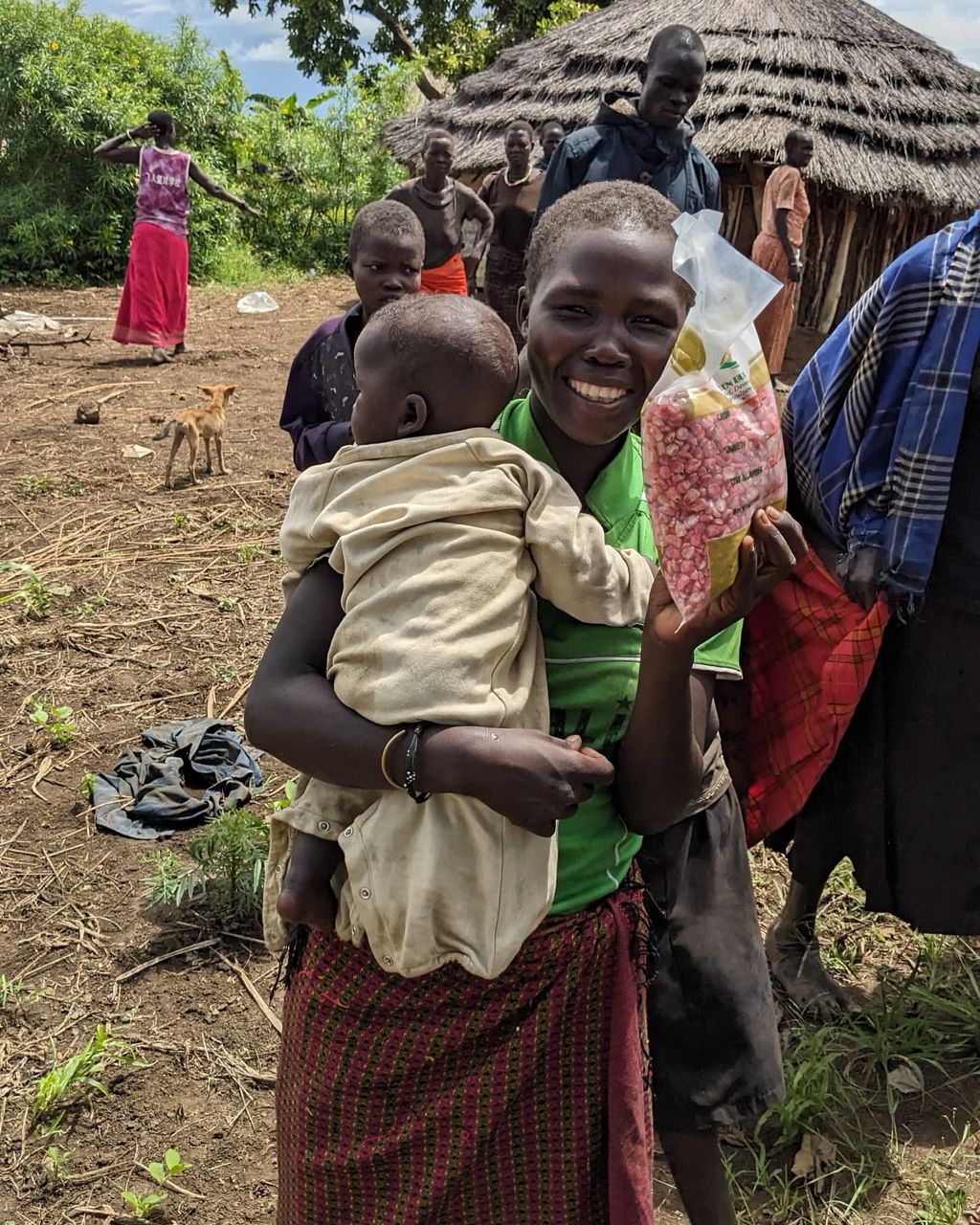
Packaged improved seeds were handed directly to women and youth household representatives to supplement local crop varieties.
Food Provision for Children and Community
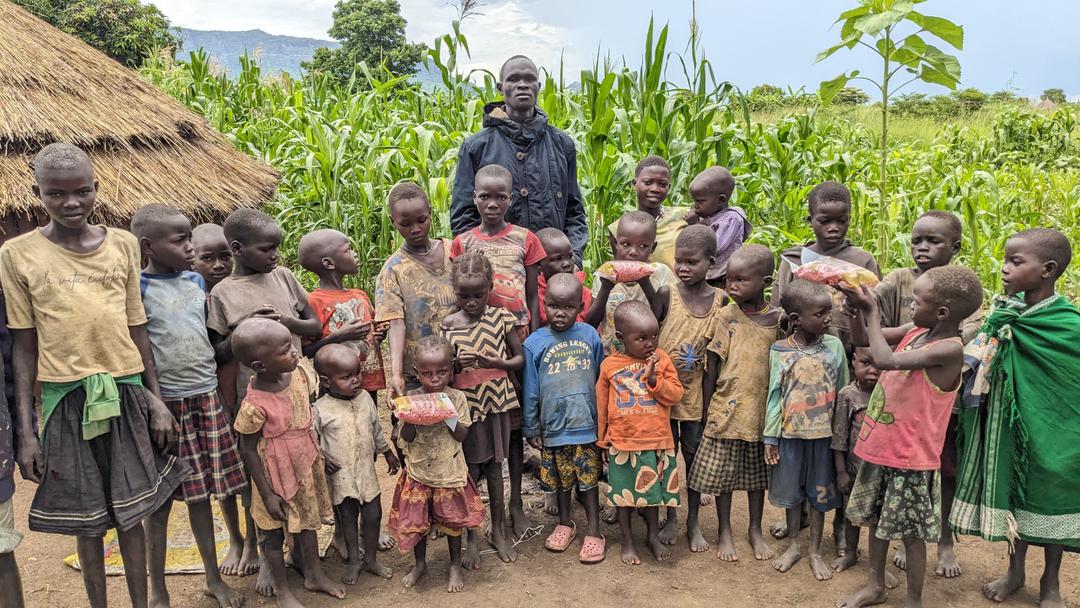
The team cooked large pots of maize over an open fire at the community homestead, serving warm, nutritious meals to dozens of local children and adults.
Key Results & Impact Achieved
Completed a comprehensive field assessment of maize and cabbage fields across Napak homesteads.
Distributed improved seed packages directly to women and youth farmers.
Prepared and distributed cooked food to children and community members for immediate nutritional relief.
Lessons Learned & Future Insights
Communities are eager to farm and achieve self-sufficiency; input access (seeds and tools) is the main limiting factor.
Combining immediate cooked food provision with long-term agricultural seeds creates a powerful holistic impact for vulnerable children.
Field Photo Documentation
Direct photographic evidence captured during the field intervention in Napak District, Karamoja Region.